



City of Angels or City of Dangers?
Although it continues like a magnet to draw in people from all over the USA and far beyond, the city of Los Angeles is actually one of the places to live in the USA – and it’s not a question of crime. Rather, it’s the city’s location that makes it the City of Dangers.
creatures, humans, aren’t they!
Throughout history, humans have willingly set up home in areas of great danger, knowing that from one day to the next, their civilization or their city could be . Atlantis, Minos, Pompeii; history is full of the legends or stories of cities that have perished.
Perhaps, one day, Los Angeles will join the list.
In southern California, Angels may guard over the City of Angels; but more appropriately, the city might be renamed the “City of “.
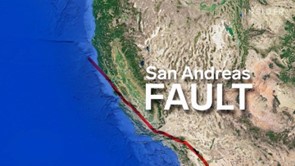
Like San Francisco, Los Angeles lies astride one of the most active fault lines on our planet, the San Andreas Fault.
Other disasters
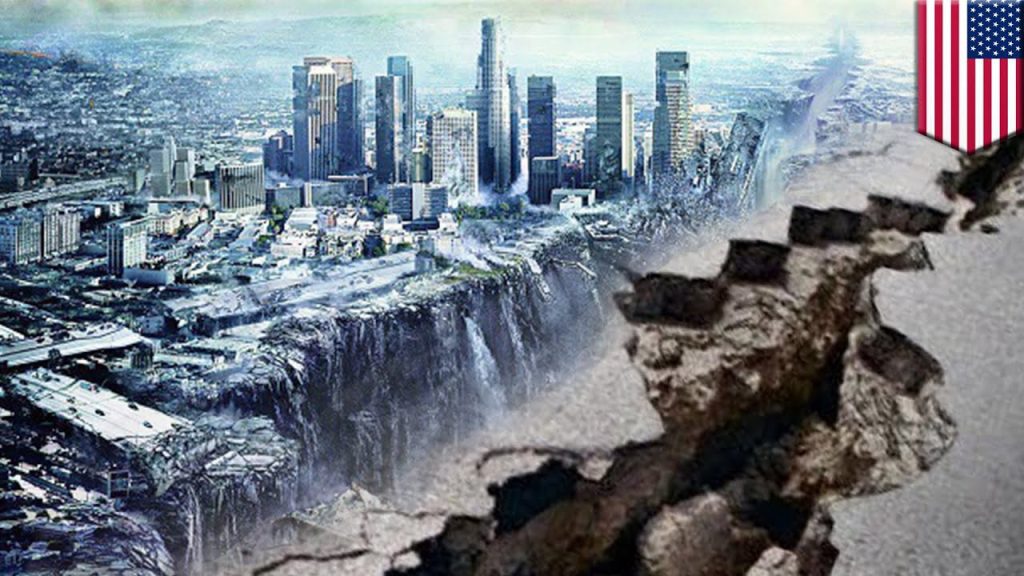
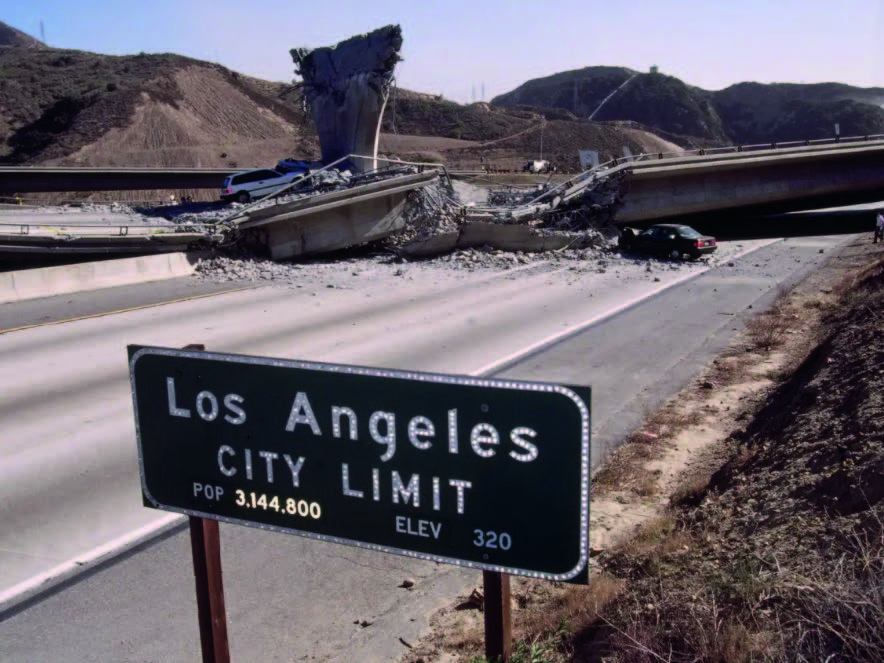
Yet a direct hit by the “Big One” is just one of many potential disasters that could befall
L.A. If an earthquake or some other events were to cut off the city’s water supplies for more than 24 hours, L.A. would begin to . Located on and around a hot coastal plain where it does not often rain, L.A. can only survive thanks to vast aque- duct systems that bring in millions of gallons of water a day from hundreds of miles away. A prolonged power failure, or disruption of gasoline supplies, could be just as devastating.
The dry landscape round L.A. is also particularly to fire, as was
demonstrated in recent years, when uncontrollable bush fires destroyed many luxury homes on the outskirts of the city.
Apart from the fact that there is (as yet) no local on the edge of L.A., and that tornadoes are unknown in this part of the U.S.A., the risk of natural disaster is greater in L.A. than any other U.S. city.
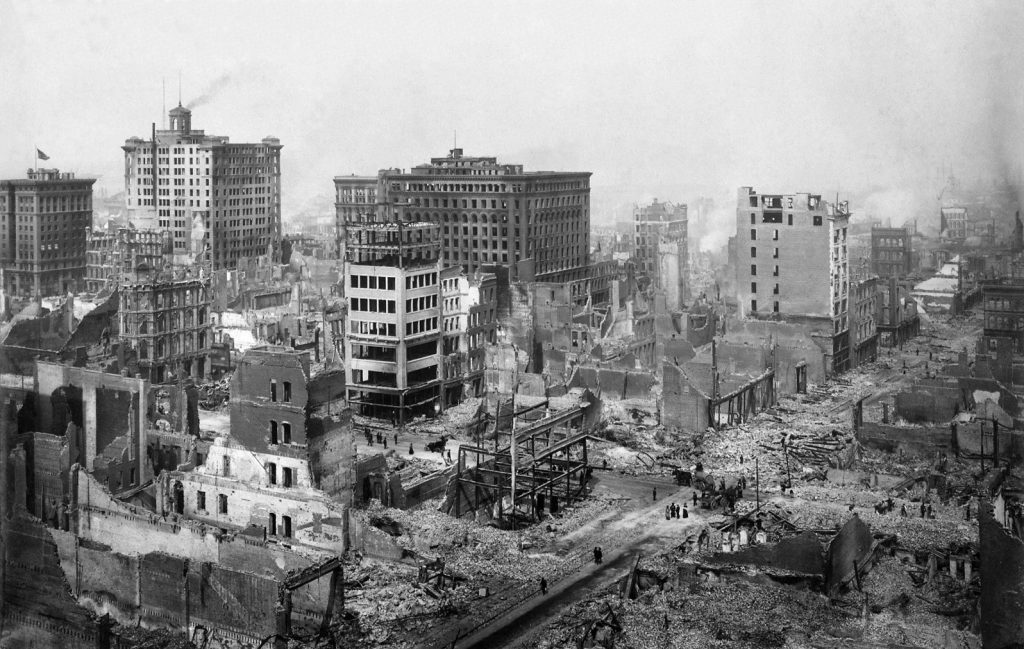
San Francisco, devastated by an earthquake in and seriously rocked in 1989, is just as much at risk from an earthquake as L.A. – though less at risk from other causes.
In both of California’s big cities, schools and workplaces are required to have earth- quake emergency procedures, designed to loss of life; and all modern buildings must be built according to strict regulations. When the “Big One” comes, it is sure to do a lot of damage; but when will it come? that’s a question to which everyone would like to know the answer!
WORDS:
-brink: edge -astride: on top of, on both sides of -sway: move from side to side -earthquake: when the earth trem- bles -shrug: raise -seismologist: scientist who studies earthquakes -on the spot: in this place -in the know: with all the information -befall: happen to -power failure: when all the lights go out –outskirts: peripheral districts, suburbs