


PRIVATE SCHOOLS
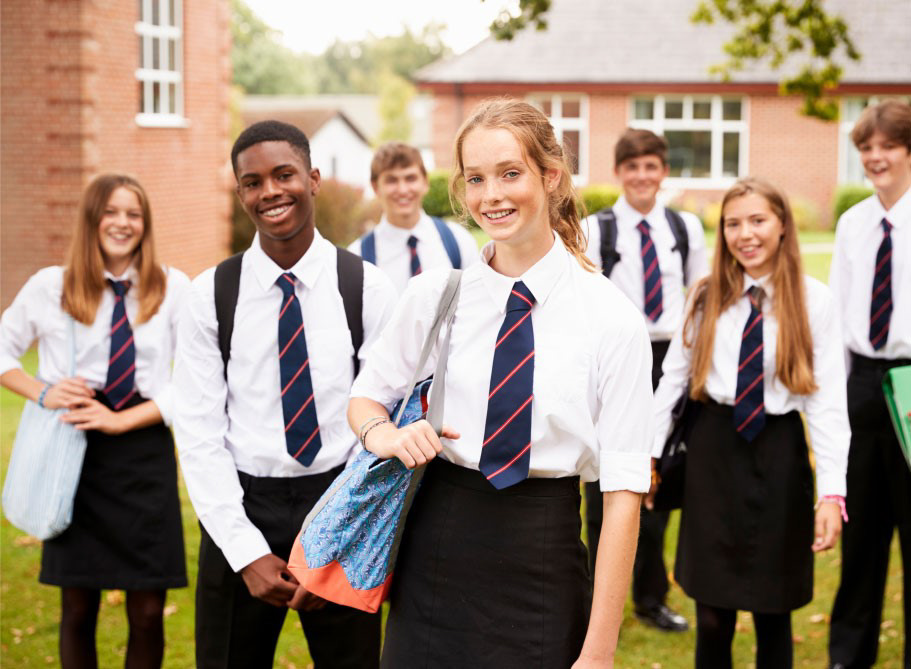
Most countries have had, and some still have, educational systems that are, in one way or another, social . The English educational system is unique, however, in the degree to which it has created educational institutions which perpetuate privilege and social . Most countries have some private schools for the children of the wealthy; the English have dozens of them. In fact, about . Some nine million children are educated at state schools; just under half a million are educated at private schools.
What is the result of such a system? The facts seem to speak for themselves. In the state system, about eight per cent make it to university; in the private system, almost half the students go on to university. But those statistics are deceptive: middle class children do better at than working class, and most of them stay on at school after 16. Private schools are entirely middle class, and so this posi- tive attitude creates an environment of success.
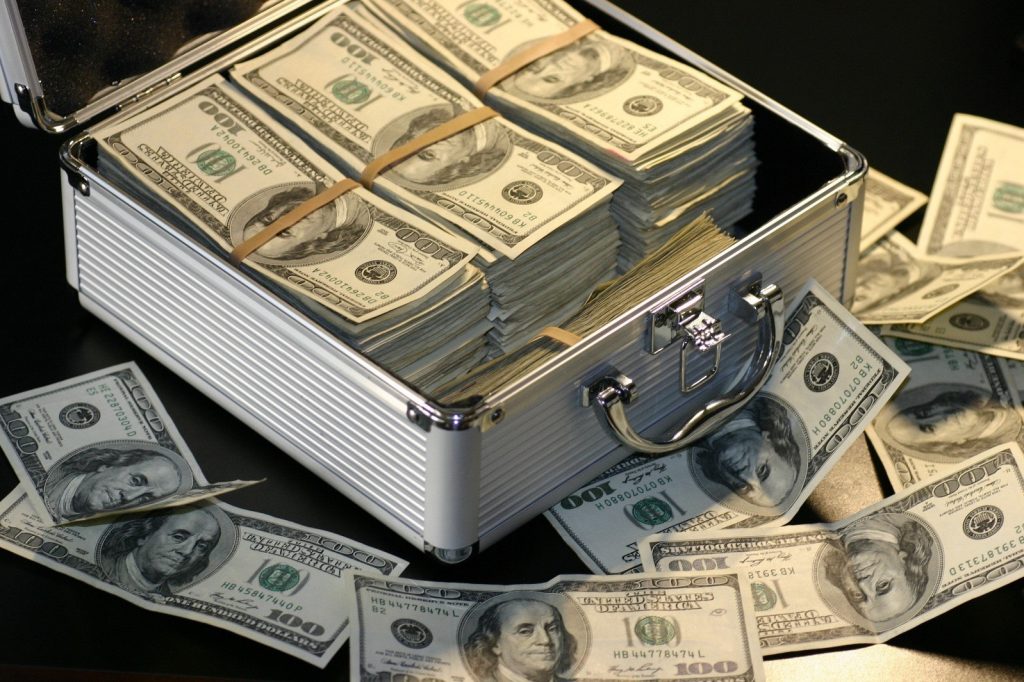
Private schools are enormously expensive, as much as £ a year for a boarder at somewhere like Eton or Harrow to at least £ a year almost everywhere. Why are parents, many of whom are not wealthy or even comfortably off, willing to sacrifice so much in the cause of their children’s schooling? One father replied to this question by saying: “Everything is on the margin. If my son gets a five per cent better chance of going to university, that may be the difference between success and failure.” You can believe him if you like, but £ minimum is a lot to pay for a five per cent better chance. Most children, given the choice, would take the money. The real reason parents fork out the cash is : they don’t want little Henry mixing with the workers, or getting his accent wrong. And anyway, at your next dinner party it won’t sound too good if all the guests are sending their kids to St Swotting-by-the-Sea, and you say your kid is going to the state school down the road even if, as a result, you are able to serve Chateau Margaux with the filet steak.
Of course, at many of the best private schools, your money buys you something. One school, with 500 pupils, has 11 science laboratories; another, with 800, has 30 music prac- tice rooms; another has 16 squash courts, and yet another has its own beach. On invest- ment in buildings and facilities, the private schools spend £300 per pupil; the state system spends less than £50. On books, the ratio is £ to £ . One of the things that your money buys which is difficult to quantify is the appearance of the school, the way it looks. Most private schools are established in beautiful, well-kept country houses, with extensive grounds and gardens. They look good in with the state schools, the worst of which, like public lavatories, are tiled or covered in graffiti, and the best of which have architectural design on the level of an industrial shed.
Leaving aside the question of money, the attitudes generally to be found in the private schools are repellent. In a book published in , some former Etonians were invited to talk about themselves and their old school. One of them said: “At school you could point out the freaks very easily. Freaks were spotty or ugly, freaks were scholars, basically people who had too many brains, and were looked down upon because they didn’t pay.” Yet another talked of the hunger marchers of the thirties who came through Windsor like “some sort of cloth-capped cavalcade”, and went on “one was more aware of George V dying, because you were part of the same village.” Another said that saving up to send a son to Eton was “the wrong thing… you’re bred in terms of and education to be a racehorse, and you end up having to toil in some office block somewhere in the City…, it’s a waste of an expensive training. You don’t go and run a donkey in the Derby, do you?”
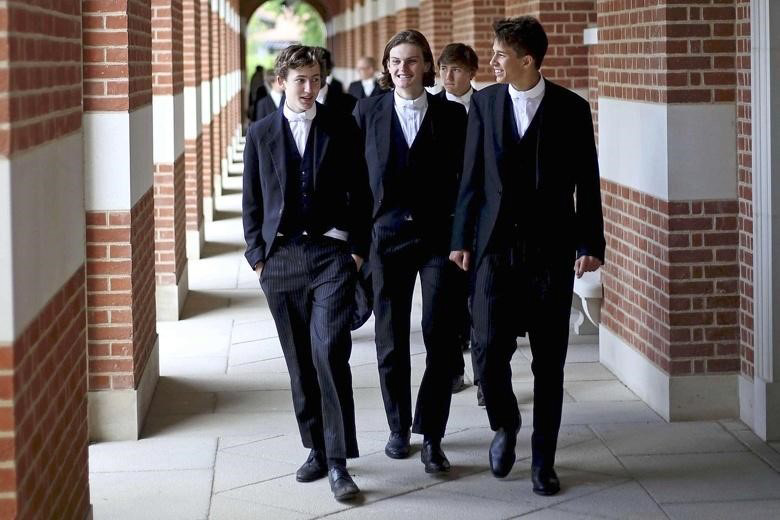
One old Etonian tells how he was received by the printers when he went to work on a provincial newspaper. Printers were well-known as belonging to the most left-wing of all unions, and yet: “They loved me, they adored me… because I was nice and jolly with them, I was little Lord Fauntleroy, and they used to say, `Isn’t it , he was at Eton and he still talks to us, and he jokes and laughs and he’s really quite a nice guy.'”
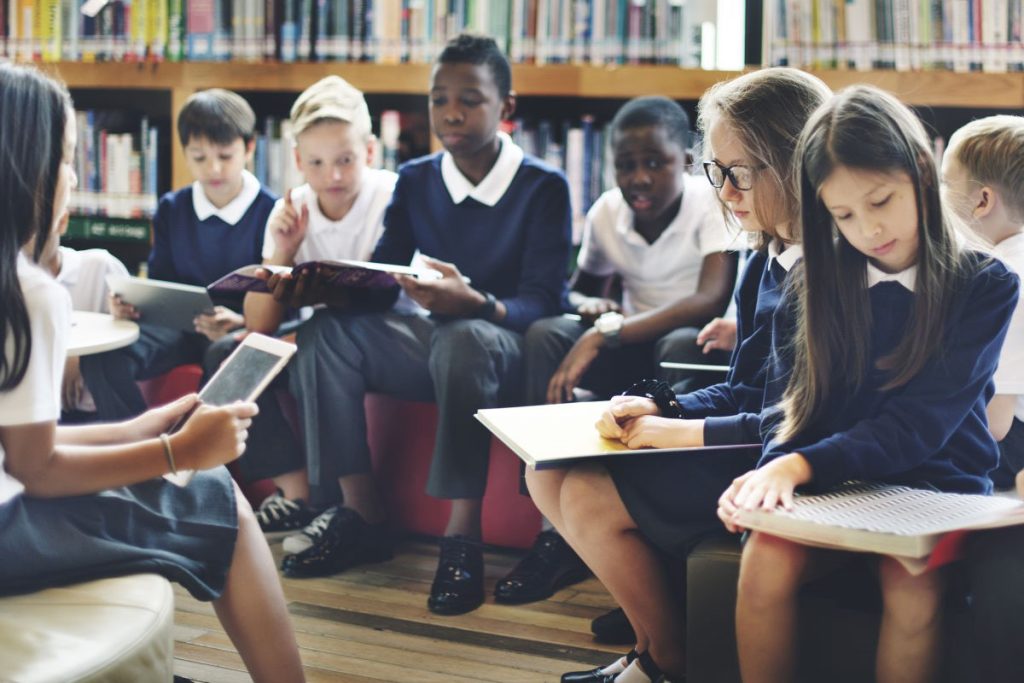
Some, perhaps many, private school pupils find life there in the extreme. Such a one was Graham Greene. Yet he still sent his own son to the same school. In another case, an Old admitted the school was “a ghastly place, it was a nightmare” and yet he too wishes the school upon his son: “I found it was a reflex that, as soon as Alexander was born, within three weeks I went and registered him.” Rather, when one thinks about it, as one might register a pedigree dog with the Kennel Club. One has to ask the question if such privileges and attitudes are relevant to a country in which there is almost as great a chance of an individual attending hospital as of going to university.