


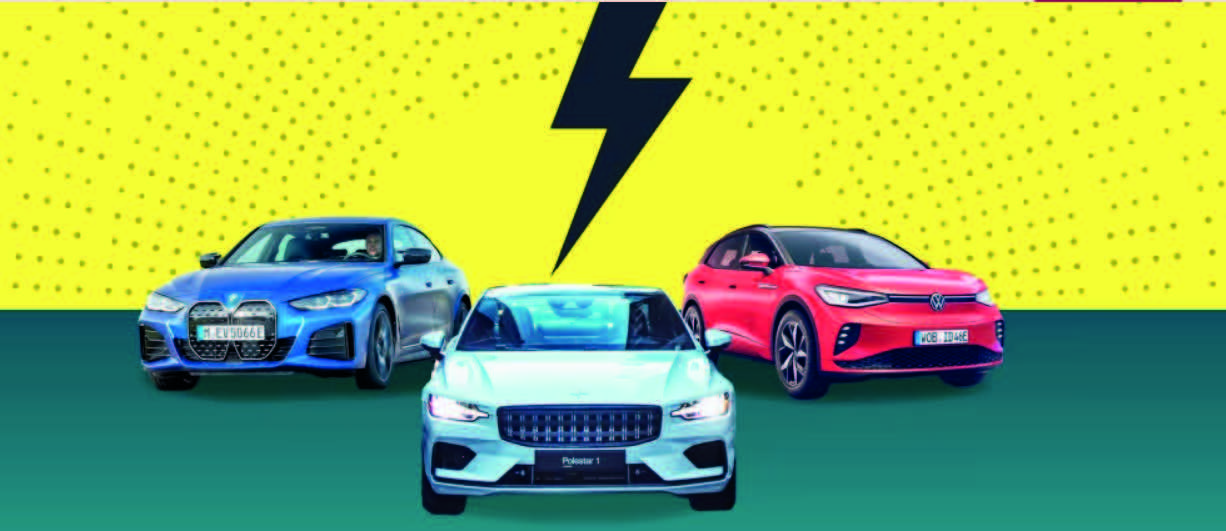
The electric car revolution: is it realistic or optimistic?
Governments and motor manufacturers around the world are throwing money and resources into the of electric vehicles. But can electric power really replace the internal combustion engine before the middle of the century? Maybe it can, but this is by no means certain.
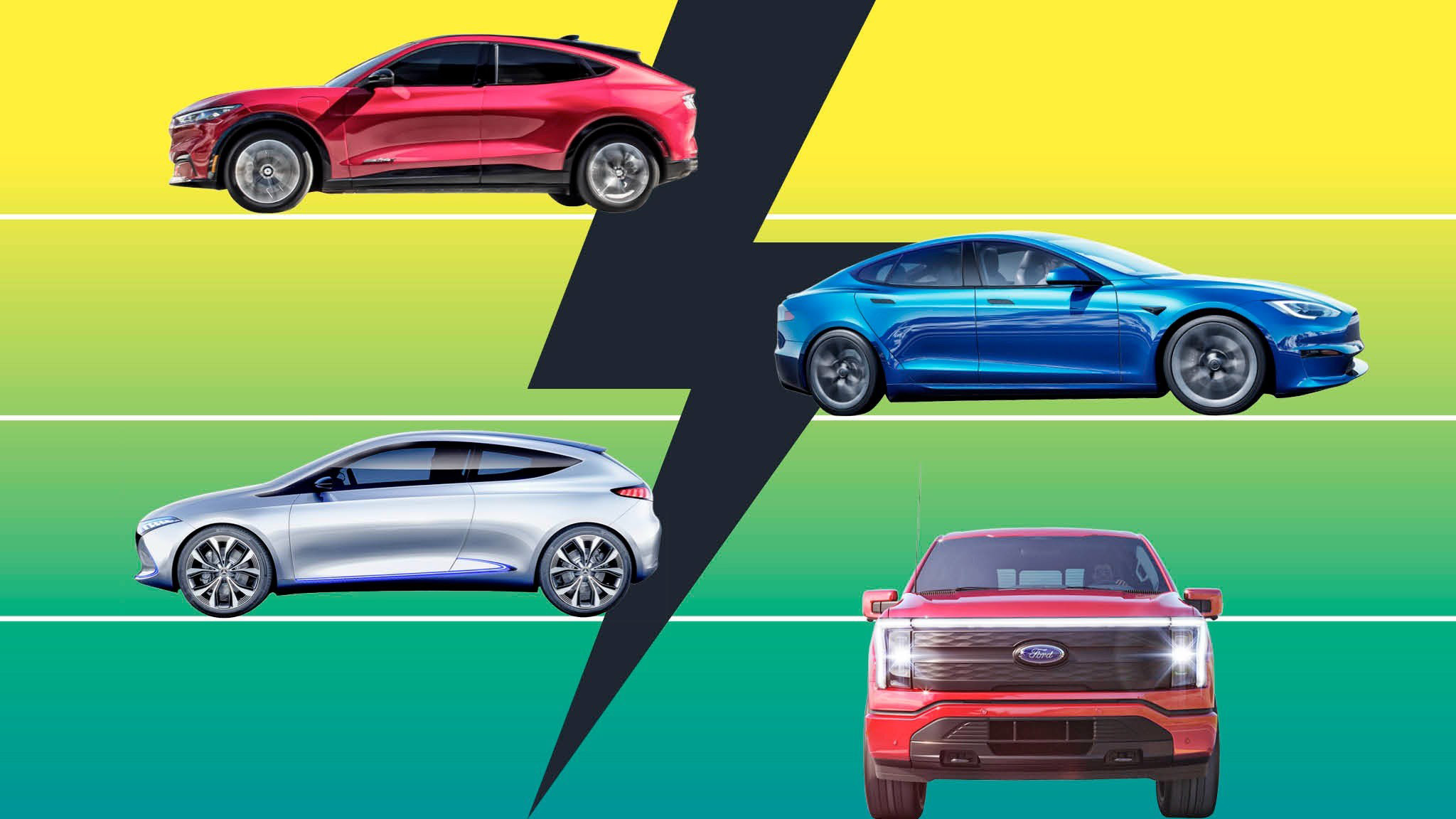
Electric vehicles have arrived. With technology led by Tesla, and all of the world’s major car manufacturers following along behind, electric vehicles are now a common sight on the roads of most developed countries. Yet the in less developed countries is rather different; the only African country to have started the change to electric vehicles is South Africa and even there, electric still account for less than % of the total number of cars on the roads. In South America, the situation is better, with all Latin American countries beginning the move towards electric vehicles, particularly Colum- bia which, in 2020, had a third of the continent’s total electric car fleet. In , the wealthy are investing in imported electric cars, but no electric cars are yet manufactured locally, while in India the government is promoting the purchase of electric vehicles with tax exemptions and other incentives. So electric cars have arrived, and their share of the market is increasing almost .
Does this mean, therefore, that the world is on track to phase out the use of petrol-driven vehi- cles in less than thirty years? And does it mean that electric vehicles are the sustainable solu- tion to our transport needs for the second half of the century? Unfortunately, to the disappoint- ment of some people, the answer to both of these questions has to be “no”.
The massive development of electric vehicles can only be possible if
are met. Firstly the expansion of electric vehicle manufacturing is dependent on the fragile ability of manufacturers to source vastly increased quantities of vital components and elements without which electric vehicles cannot operate; these include lithi- um, cobalt and “ ” such as neodymium and tantalum, as well as silicon chips which have already been in short supply since 2020. Secondly, few countries currently have electricity grids that are anywhere near being able to cope with the huge increase in demand for electricity that will accompany any rapid growth in electric vehicle ownership. Without adequate supplies of all the vital ingredients of electric motors and batteries, or with- out power supplies that are able to provide the electricity needed to recharge millions of elec- tric batteries every day (as well as supplying the current we need for everything else, such as lighting, heating, trains and electric devices), the electric car revolution will run up against problems.
Governments and vehicle manufacturers are fully aware of these issues, but the consensus among policy-makers seems to be that somehow technology will come up with the answers, as it often has in the past. Analysts also predict that changing social attitudes and environ- mental awareness will lead to a in private vehicle use and a fall in the numbers of vehicles on the roads. This prediction is likely to be right, though not necessarily for those reasons alone; any shortage of essential components will force up the cost of electric vehicles, and any shortage of battery recharging facilities or capacity will people from buying electric vehicles, leading to a fall in the number of vehicles on the roads.
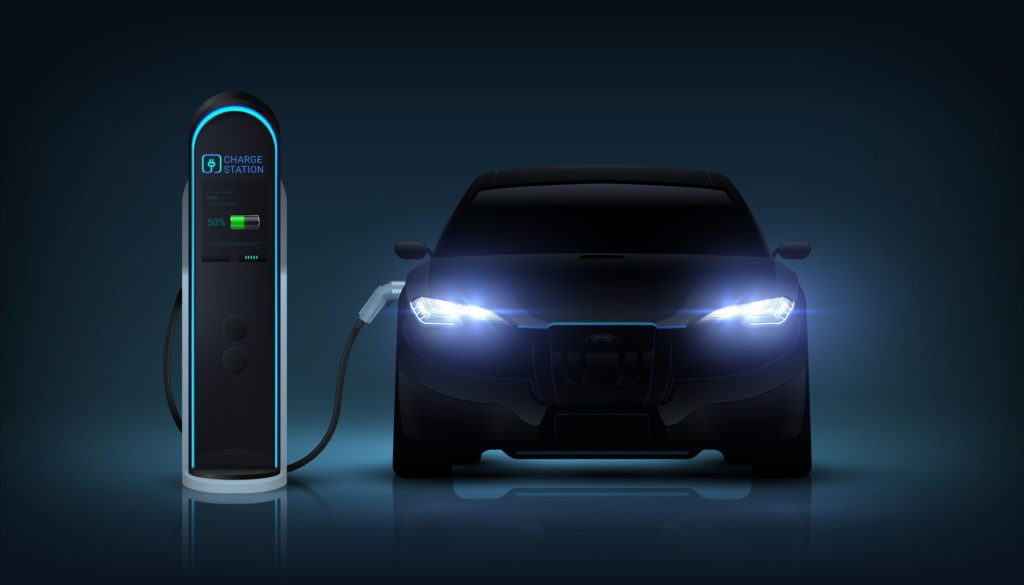
Ultimately the success of the transition to electric powered vehicles will depend on advances in technology in three fields; the of batteries, the amount of power that they can , and the speed at which they can be……………………………… or exchanged.
It may surprise you to learn that electric vehicles are not a new idea; indeed, at the start of the automobile age in the late 19th century, America had as many electric cars as gas-driven cars, and New York’s biggest taxi company used electric vehicles. In order to keep their taxis on the road when the batteries ran low, they set up battery points at strategic locations where instead of recharging their batteries, drivers would just them for fully recharged ones, a process that took no longer than refilling with gasolene.
Thus, battery exchange stations, rather than battery recharging points, may perhaps solve the problem of times which currently prevents owners taking their electric vehicles on long trips. Yet battery exchange is not an option with today’s large heavy batteries. While the latest generation of Lithium-ion batteries are almost twice as effi- cient as the batteries being used just five years ago, they remain big and heavy. Before bat- teries can become easy to exchange, a quantum leap in battery technology is needed, one which will allow batteries to store much larger amounts of electricity in much smaller and lighter units. Teams of top electrical engineers in universities and private laboratories world- wide are working on battery technology, and progress has been New types of lithium batteries are being developed, but the radical discovery that will revolutionize battery design is still to be made.
As for the availability of clean renewable electricity in sufficient quantities to cope with demand from all the world’s electric vehicles, progress in this direction is already underway. Ideally, notably in countries and outside cities, recharging points will be , generating their own electricity from solar panels and wind or water turbines and storing it either mechanically or in high-powered batteries. The technology already exists, and a company, Beam Global, recently installed 30 solar-powered recharging stations in sunny parts of the state.
So are people who believe in the ability of technology to solve all our problems being realistic, or over-optimistic? And will other problems such as environmental issues and the availability of vital materials throw a spanner in the works? Will all the world’s countries be able to complete the electric vehicle revolution, or will the world’s poorer nations get left behind. yet again? For the time being, progress is upwards, but can it continue? In terms of volume, the electric vehicle revolution has only just got .
WORDS:
– vehicle: car, truck, van etc. – internal combustion engine: the petrol (gas) engine used in cars and trucks – fleet: the total number of cars – manufacture (verb): to make, to produce – exemption: dispensation, authorisation to not do something – is on track to: is going fast enough to – incentive: encouragement, something to make someone want something – grid: network – sustainable: permanent and not bad for the environment – power: electricity or other sources of energy – device: machine, apparatus – gas, gasolene (American) : petrol (British) – quantum leap: a radical new development – underway: started, in progress.