


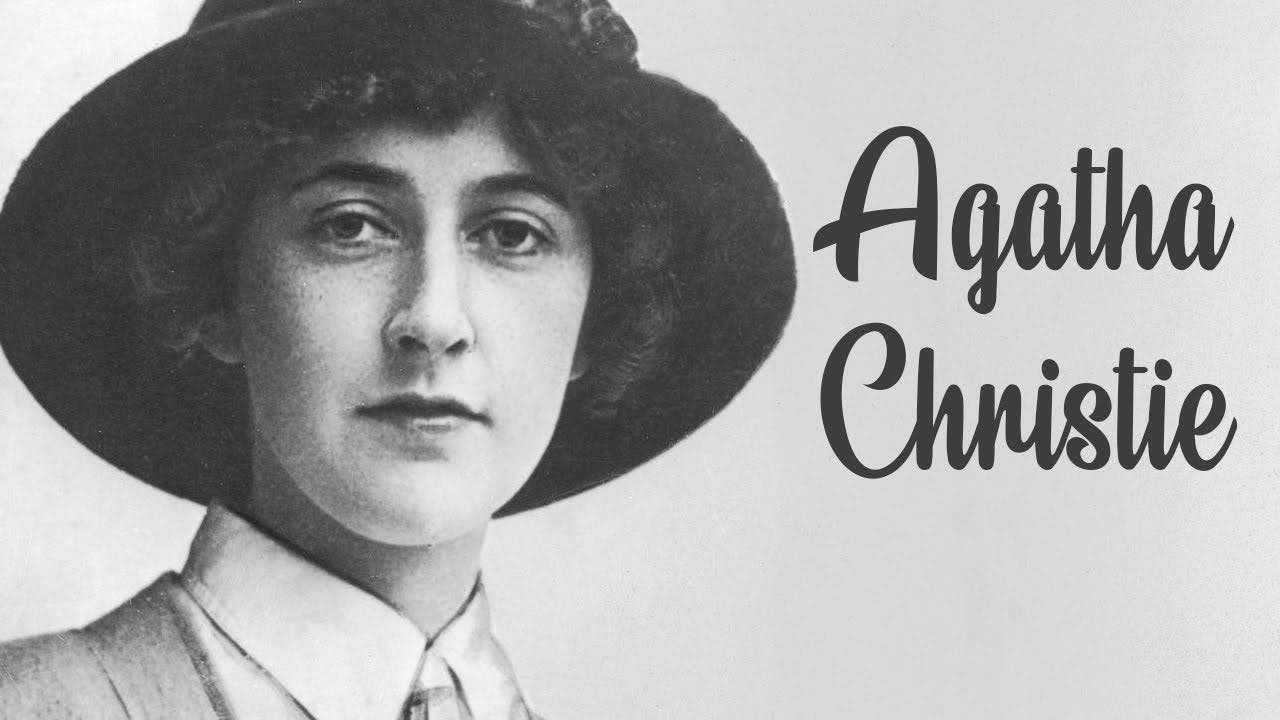
The World’s Best-Selling Writer
Although she died over years ago, Agatha Christie is still, according to the Guinness Book of Records, the world’s most successful writer of fiction. Agatha Christie has sold between two and billion books – about as many as Shakespeare, and four times as many as the next most successful writer of fiction, romance writer Barbara Cartland. To put things in perspective, J.K. Rowling, the creator of , has only sold about a as many books as Agatha Christie.
Agatha Christie’s first novel, The Mysterious Affair at Styles, was published in ; and since then, she has been a non-stop best-seller. Over a billion (yes, one thousand million!!) copies of her books have been sold in the English language alone; and a fur- ther billion have been sold in translation! With sales of her books still running at million copies a year, and actually , the grand old lady’s record is get- ting further and further ahead of any competition all the time.
Apart from the quality of her novels, one reason for Agatha Christie’s lasting popularity is that she is, according to UNESCO, the world’s most fiction writer. Noone is quite sure how many languages Agatha Christie’s books have been translated into, but it is at least , and maybe quite a few more. Harry Potter novels are a long way behind, as they have only been translated into languages, according to their publisher.

Agatha Christie was born on September 15th 1890, in the genteel seaside town of Torquay, in the southwest of England. Although her father was American, Agatha Chris- tie (born Agatha Miller) belonged from birth to that prosperous English – class she portrayed is so many of her books and plays. It was a world she knew and observed intimately, a world of leisure and prosperity, of afternoon tea in the drawing room, of tennis and travel. In many ways, it was a very closed world, a world where characters seem so often to be from the unfortunate reali- ties of life such as . Unless, of course, that work happened to be detection.
Like Agatha Christie herself, her heroes and heroines are brilliant. There is discreet Miss Marple, Agatha’s alter ego, the elderly lady and detective who can always put together the pieces in the puzzle, while others keep barking up the wrong tree. And there is the gentlemanly Hercule Poirot, forever reminding people that he is “ , not French,” and solving mysteries as cleverly as any detective has ever done.
Poirot and Miss Marple had to be genius, because their creator was a . Although many of Agatha Christie’s novels and plays take place in basically similar situations, each one is different. In her most famous works, most of which have been filmed, like Murder on the Orient Express or Death on the Nile, the characters move in a closed circuit, cut off from the outside world. It can be an island, or a ship, or a moving train, or just a country house. Each time, a crime is ; each time, is a suspect, and everyone has a perfect . With second-class writers, there would often be failings in the plot. With Agatha Christie, there are hardly any. There is just one vital clue that only the detective, and the very astute reader, can pick up.
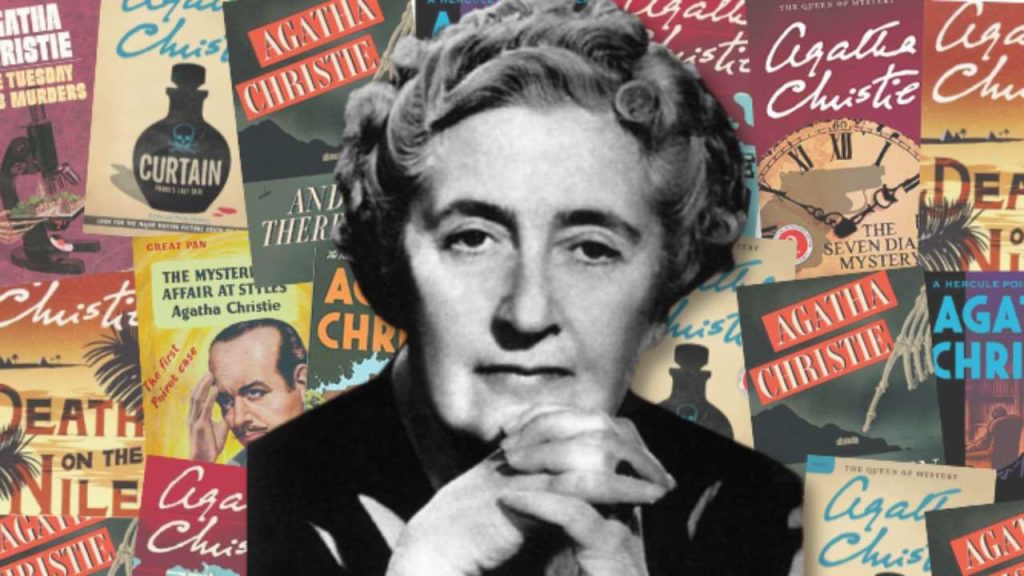
Although Agatha Christie is certainly the best-known English writer of the twentieth century, her name is strangely absent from books about twentieth century “ “, as if detective fiction were not a genre worth talking about. In some cases, that may be true; but Agatha Christie was more than just a detective writer. She was a literary , and her books and plays give a panoramic view of the world in which she moved.
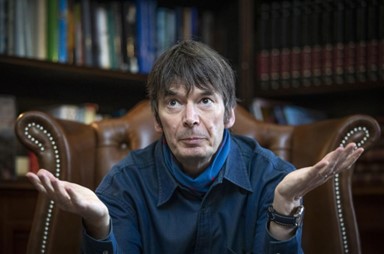
Besides, Agatha Christie has had a huge on many other writers and dramatists across the world, and most modern crime writers admit their admiration for Agatha Christie. Ian Rankin, author of the very popular Inspector Rebus novels, said: “The thing about Agatha Christie is she has done it all… Christie was the beginning and the end of the crime novel.”
WORDS:
-according to: as is said in -fiction: invented stories -romance: romantic fiction, love stories
-novel: invented story -lasting: continuing -gentle: polite, bourgeois -sheltered: out of contact with
-discreet: quiet -alter ego: (latin) other person -elderly: old -solve: find the answer
-genius: very clever person – play: a show in a theatre -deserve: merit
-alibi: proof that one was somewhere else -failings: weaknesses -astute: sharp, clever
-genre: a form, a type -a whodunnit: a detective story (who has done it)..